


Schulstufe
Immaterielles Kulturerbe der UNESCO
Alpinismus
Alpinismus ist mehr als Bergsteigen – er ist gelebte Praxis im weglosen Hochgebirge. Er umfasst Techniken wie das Gehen im felsigen Gelände, den Umgang mit Seil, Pickel und Steigeisen sowie das Einschätzen von Gefahren wie Steinschlag oder Gletscherspalten. Diese Kultur beruht auf gemeinsamem Wissen über alpine Umwelt, Geschichte und Werte – von der Ästhetik der Routen bis zur Eleganz der Bewegung. Verschiedene Verbände wie der Schweizer Bergführerverband sichern durch Ausbildung und Austausch den Wissenstransfer. Der Alpinismus findet seine Anfänge in der Schweiz und erlebte seine erste Hochblüte unter britischem Einfluss im 19. Jahrhundert. Seither hat er sich in vielfältige Spielarten entwickelt. Er vereint technisches Können, ethische Prinzipien, Gemeinschaftserlebnis und Respekt vor der Natur – als lebendige alpine Tradition.
Steckbrief
Datum der Eintragung
2019
Kategorie
Region
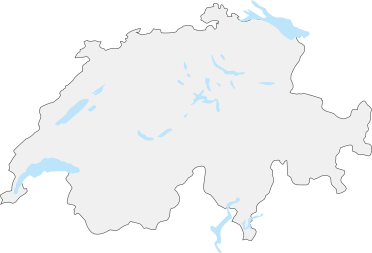
Schweiz: Alpenraum
Andere Länder: Frankreich und Italien
Info-Filter
Themenbereich
Vor Ort
Im Unterricht
0
Keine Resultate gefunden. Bitte andere Filter wählen.